

 Call us

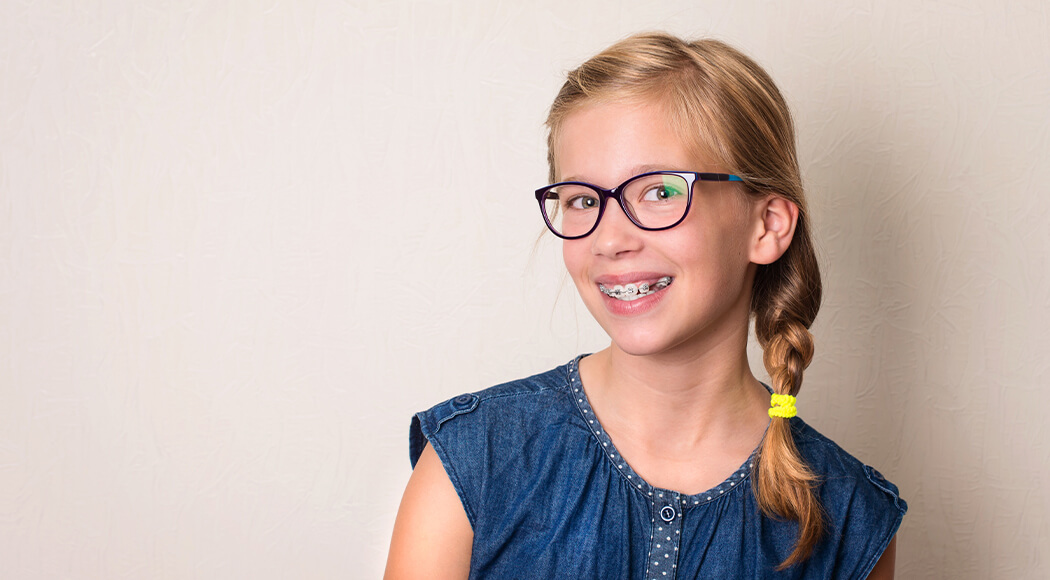
Here is the good news. An early check does not lock your child into treatment. A clear, tech-forward evaluation can tell you what is happening now, what to watch, and the best timing if care is needed.
Below you will find practical signs to look for, what qualifies a child for braces, when interceptive care can help, and what to expect at a first visit. You will also see why tooth count is only one small piece of the picture.
Red flags that suggest an orthodontic check
You do not need to wait for every adult tooth to erupt to ask questions. Schedule a visit if you notice any of the following:
- Crowded or rotated teeth that overlap or twist
- Early or late loss of baby teeth compared with classmates or siblings
- Crossbite, underbite, or overbite that affects smile balance or chewing
- Mouth breathing, snoring, or a consistently open-mouth posture
- A thumb-sucking or pacifier habit that lasted beyond age 3 to 4
- Jaw shifting to one side when closing or clicking sounds with chewing
- Speech concerns, lisps, or frustration forming sounds
- Trouble biting into foods or chewing on both sides
These signs often relate to jaw growth, airway, and bite relationships, not just tooth straightness. An orthodontic exam can clarify what is growth-related and what benefits from guidance now.
What really qualifies a child for braces
Qualification is based on function and growth, not a single cosmetic issue. Common reasons a child is ready for full braces or clear aligners include:
- Moderate to severe crowding or spacing that will not self-correct
- A bite problem such as crossbite, deep overbite, or underbite that affects wear, chewing, or jaw health
- Erupting teeth that need guidance to come in safely
- Impacted or blocked-out teeth that require space and direction
- Speech or chewing difficulties linked to tooth or jaw position
- Habits or airway issues that are affecting jaw development
Age is not the sole decider. Many kids start comprehensive treatment between 11 and 14 when most adult teeth are present and growth is active. Younger children sometimes benefit from a short Phase 1 plan to guide jaw growth, then pause until teen years for finishing.
How many teeth to lose before braces
There is no magic tooth-count threshold. Orthodontists look at the whole picture, including:
- Which adult teeth are present and where they are headed on 3D imaging and digital models
- How the upper and lower jaws are growing relative to each other
- Airway and breathing patterns, especially with snoring or mouth breathing
- Bite function, wear patterns, and whether teeth have room to erupt safely
In short, the number of missing baby teeth does not decide readiness by itself. A personalised assessment is the reliable way to choose timing.
When interceptive treatment makes sense
Interceptive, or Phase 1, treatment typically happens between ages 7 and 10. The goal is to set the stage for healthy development, not to finish every detail. Early steps can:
- Create space for incoming teeth with a palatal expander
- Correct a crossbite that could shift the jaw or wear enamel
- Address airway and mouth-breathing patterns in partnership with your pediatric or sleep team when needed
- Reduce the risk of impaction or complicated extractions later
This early guidance can simplify or shorten treatment in the teen years. Many children then pause and return for braces or aligners once more adult teeth are in.
Inside our comprehensive, tech-forward exam
Your child’s first visit at Get It Straight Orthodontics is free and low pressure. Here is what you can expect:
- Clear conversation about your goals and what you have noticed at home
- A gentle clinical exam focused on growth, airway, and bite
- High-resolution photographs to document today’s starting point
- Digital intraoral scanning to create accurate, goop-free models
- 3D imaging when indicated for eruption paths, impacted teeth, or jaw assessment
- A personalised plan that explains options, timing, and what to watch
You will leave with clear guidance, a transparent estimate if treatment is recommended, and flexible payment options. If it is not time to treat, we set an easy growth-monitoring plan.
Modern treatment options, designed around your child
Most kids can be treated effectively with either braces or clear aligners. We offer traditional metal and ceramic braces, LightForce™ custom 3D-printed brackets, lingual braces, and in-house or partner clear aligners.
For some bites, we combine tools such as expanders or elastics. If you are exploring custom braces, learn more about LightForce™ in our overview of LightForce™ 3D braces. If a discreet removable option fits your child’s habits, see how our clear aligners work in Chicago.
First visit logistics and multi-location convenience
We offer free consultations at our Lakeview, Hyde Park, Glenview, and Orland Park offices. Families often choose the location closest to school or home, and we help coordinate schedules across offices when needed.
If you are searching for an orthodontist in Hyde Park Chicago, you can contact our Hyde Park team directly. If you prefer Lakeview, meet with a Lakeview orthodontist at our Ashland Avenue office.
Are braces worth it for kids
Typically, yes. Braces work continuously, guide erupting teeth, and can correct a wide range of alignment and bite issues. Benefits often include improved chewing, easier hygiene, reduced risk of uneven wear, and a more confident smile.
Clear aligners can also be an excellent choice for many kids who can wear them consistently each day. We will help you weigh tradeoffs by case complexity, lifestyle, and growth.
What happens at the first orthodontic consultation
Plan for about an hour. We review health history and concerns, complete photos and digital scans, gather 3D imaging if indicated, and perform a thorough exam.
Then we walk you through findings in plain language, outline timing options, and answer questions about appliances, length, and costs. Insurance is verified, and we provide a custom estimate with payment choices. If early care is not needed, we schedule periodic checks to track growth.
Quick FAQ
What qualifies a child for braces? A combination of bite issues, crowding or spacing that will not self-correct, eruption concerns, or functional problems with chewing, speech, or jaw health.
How many teeth should a child lose before braces? There is no set number. Readiness depends on growth, airway, bite, and eruption paths assessed during an exam with photographs, scans, and 3D imaging.
Are braces worth it for kids? Often, yes. Braces can improve function and alignment during growth, and aligners may be a good alternative for many children. The best option depends on your child’s needs and habits.
What happens at the first orthodontic consultation? A friendly, no-pressure visit with a clinical exam, digital records, and a clear plan. You will get timing guidance, cost estimates, and insurance review.
The takeaway
If you notice crowding, bite imbalance, mouth breathing, chewing trouble, or jaw shifts, do not wait for every adult tooth to appear. A thoughtful, technology-supported exam can clarify timing and options and may make future care simpler.
Book a free consultation at the Get It Straight Orthodontics location that suits you best to get clear answers today.
Back 3655 N Ashland,

 Open in Google Maps